Introduction
In an emergency situation, every 2nd counts. When faced with a casualty, the ability to analyze their breathing can be the distinction in between life and fatality. This post gives comprehensive support on Checking a Casualty's Breathing: Quick Steps for Lifesavers while ensuring you maintain composure under stress. We'll explore different aspects of evaluating breathing, discuss standard vs innovative life assistance, and supply vital suggestions that every lifesaver ought to know.
Understanding the Importance of Examining a Casualty's Breathing
Breathing is among the most important signs of life. Without effective respiration, important organs can start to stop working within minutes. Thus, knowing exactly how to check for breathing properly is vital for anyone that may locate themselves in a position to assist a person in distress.
Why Breathing Matters?
- Oxygen Supply: The body needs oxygen to function. Circulatory Function: Breathing supports circulation through gas exchange. Immediate Response: Quick evaluation allows for prompt interventions.
Role of BLS Certification in Emergency Situation Situations
A Basic Life Support (BLS) qualification equips individuals with the skills required to react effectively in emergencies. This training highlights the significance of checking a casualty's breathing as one of the very first actions taken.
Basic vs Advanced Life Support
Understanding the difference in between standard and innovative life support is important for comprehending your function throughout an emergency.
What is Basic Life Support (BLS)?
BLS consists of:

- Chest compressions Rescue breaths Automated Outside Defibrillator (AED) usage
These procedures are fundamental and designed to keep blood circulation until advanced clinical aid arrives.
What is Advanced Life Assistance (ALS)?
ALS encompasses:
- Endotracheal intubation Medication administration Advanced tracking techniques
When to Make use of BLS vs ALS?
In most usual emergencies, BLS is your very first line of protection. ALS generally enters play once expert aid has actually arrived or in extra complex circumstances calling for specialized intervention.
The Preliminary Technique: Inspecting Responsiveness
Before you check a casualty's breathing, it's crucial first to evaluate their responsiveness. Here's exactly how:
Tap and Shout: Gently touch their shoulder while loudly asking if they're okay. Check for Movement: Seek any type of indicator of feedback; this could indicate consciousness. Assess Environment Safety: Guarantee that it's safe to approach them.Why Examine Responsiveness First?
This step aids identify if prompt resuscitation efforts are needed or if you can wait for help without intervening.
Checking Casualty's Breathing: Detailed Guide
Now that you've examined responsiveness, it's time to concentrate on breathing. Adhere to these steps:
Positioning: Very carefully roll the person onto their back if they aren't already. Open Airway:- Tilt the head back carefully by placing one hand on their temple and using two fingers from your various other hand under their chin.
- Place your ear near their mouth and nose. Look at their chest for movement. Feel for breath on your cheek.
Identifying No Breathing vs Unusual Breathing
If you see no chest surge or really feel air flow, this suggests no breathing has taken place-- best first aid courses in Port Macquarie an important sign which demands immediate activity like calling emergency services or beginning CPR.
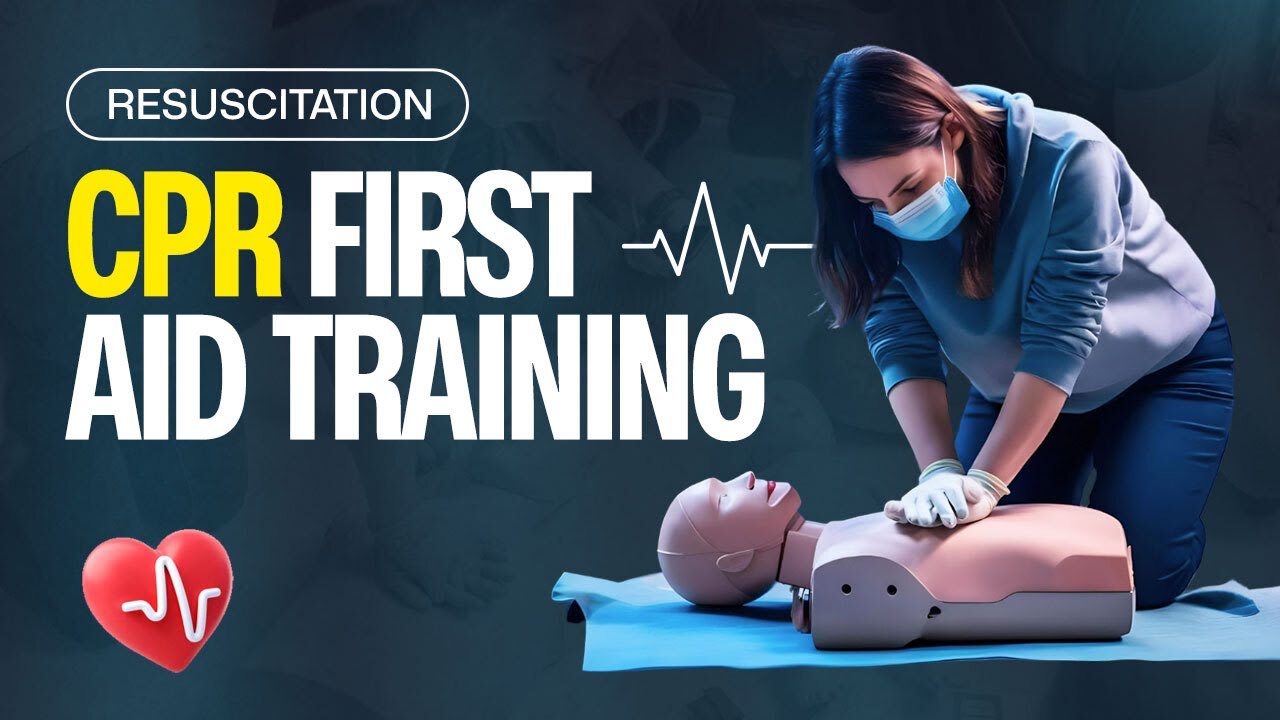
Public Defibrillator Usage
Knowing how and when to utilize an Automated External Defibrillator (AED) can be lifesaving:
Identify an AED nearby. Power it on and follow voice prompts. Attach pads properly according to illustrations given with the device.Importance of AEDs in Cardiac Arrest Situations
AEDs are developed to analyze heart rhythms and supply shocks when required-- essential throughout incidents where typical heart rhythms cease because of absence of oxygenated blood flow.
Taking Activates Compressions: The Synergy Element of CPR
When doing CPR with others existing:
Organize roles ahead of time-- who will manage compressions versus rescue breaths? Switch every 2 mins or after 5 cycles of CPR to stay clear of tiredness that can result in lower compression depth or sluggish compression rate.Why Taking Transforms Matters?
Fatigue can prevent reliable compressions; rotating guarantees top notch performance throughout resuscitation efforts-- maintaining blood flowing efficiently till aid arrives.
Maintaining Calmness During Emergencies
Staying tranquility is extremely important during emergencies:
Take deep breaths before approaching the casualty. Focus on executing each action systematically instead of panicking about outcomes. Rely on your training; bear in mind that also little activities can significantly impact survival chances.Tips for Composure Under Pressure
- Practice mindfulness strategies regularly. Engage in routine BLS training sessions to feel ready for real-life situations.
Hospital Codes and Protocols Relevant to BLS Providers
Familiarizing yourself with Port Macquarie First Aid Course Near Me health center codes can improve communication efficiency when emergency solutions arrive:
Understand common codes like "Code Blue" (cardiac arrest). Know just how to relay information clearly-- state what you saw, what actions were taken, and any modifications kept in mind during care.How Recognizing Protocols Conserves Time?
Knowledge regarding healthcare facility procedures makes sure smoother transitions from public support to specialist care, allowing quicker responses by clinical groups upon arrival at the scene.
FAQs Regarding Inspecting a Casualty's Breathing: Quick Tips for Lifesavers
1. What need to I do if I can not identify breathing?
If no breathing is spotted after reviewing, launch mouth-to-mouth resuscitation promptly while calling emergency situation solutions if not done yet.
2. How long should I check for responsiveness?
A fast assessment lasting no more than 10 seconds ought to be enough prior to deciding whether additional activity is needed.
3. Is it all right to perform CPR if I'm unsure regarding breathing?
Yes! If there's unpredictability regarding breath detection however indicators suggest unresponsiveness or distress-- begin CPR as it might save a life!
4. Can I use an AED without formal training?
Yes! AEDs are straightforward gadgets created with clear guidelines; also untrained individuals can operate them effectively in emergencies.
5. How usually need to I recertify my BLS skills?
It's advisable every two years; technique keeps abilities fresh and prepares you far better for real-life scenarios!
6. What occurs if I make a mistake while executing CPR?
While errors may take place, focusing on providing help as opposed to perfection is vital; activities taken are better than doing nothing at all!
Conclusion: Your Function as a Lifesaver Matters!
Checking a casualty's breathing may seem simple, however understanding its complexities-- and believing in your capabilities-- can greatly impact survival prices in emergencies! By following these actions described here today concerning Checking a Casualty's Breathing: Quick Tips for Lifesavers, you encourage yourself with knowledge that could potentially conserve lives!
Stay notified through routine training sessions such as obtaining BLS qualification and practice drills making certain readiness whenever hired! Remember-- the following time you're confronted with an emergency circumstance-- it might very well be your quick reasoning that makes all the difference!